

Introduction:
Do you want to drive more organic traffic to your website? Writing great content is not enough; you need to write content that Google understands. This is called SEO writing.
Many beginners make the mistake of stuffing keywords into their articles. This used to work years ago, but today, Google prefers high-quality, user-focused content. If you are looking to get Google AdSense approval or increase your earnings from USA traffic, mastering SEO writing is essential.
In this guide, I will show you exactly how to write SEO-friendly articles that rank on the first page of search results in 2025.

1. Start with Proper Keyword Research
Before you type a single word, you need to know what your audience is searching for. You cannot guess what people want; you need data.
Primary Keyword: Pick one main topic (e.g., “Best SEO tools”)
Long-Tail Keywords: These are specific phrases like “Best free SEO tools for beginners.” Long-tail keywords are easier to rank for and bring targeted traffic.
Pro Tip: You can use free tools like Google Keyword Planner or simply look at the “People also ask” section on Google Search to find ideas.
2. Understand Search Intent
Google wants to solve the user’s problem. Before writing, ask yourself: Why is someone searching for this?
- Informational: Are they looking for a guide? (e.g., “How to fix ads.txt error”)
- Transactional: Are they looking to buy something? (e.g., “Buy hosting online”)
Your article must answer the user’s specific question immediately. If you waste their time, they will leave, and your bounce rate will increase.
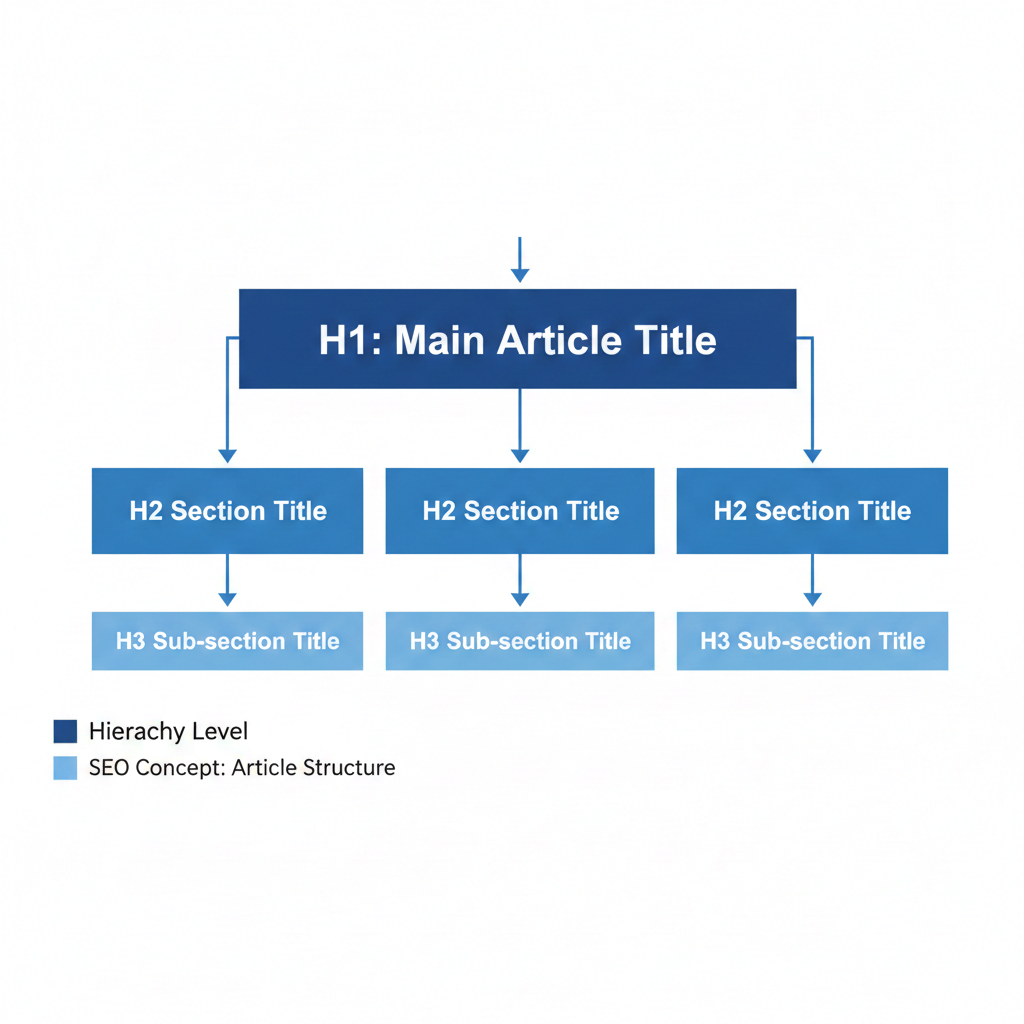
3. Optimize Your Article Structure (H1, H2, H3)
Nobody likes reading a giant wall of text. Structuring your content helps both readers and Google bots understand your article better.
- H1 Tag: This is your main title. It should include your primary keyword.
- H2 Tags: Use these for main subheadings.
- H3 Tags: Use these to break down points under H2 tags.
Using proper headings makes your content “scannable.” Most users on mobile devices skim through the headings before reading the details.
4. Keyword Placement Strategy
Once you have your keywords, you need to place them naturally. Do not overuse them (this is called “keyword stuffing” and can get your site penalized).
Where to place your keywords:
- In the URL (Slug): Keep it short (e.g., yourdomain.com/seo-writing-guide).
- In the First Paragraph: Try to use your main keyword in the first 100 words.
- In Headings (H2/H3): Use variations of your keyword in subheadings.
- In the Conclusion: Wrap up the article with the keyword one last time.
5. Write Engaging and Readable Content
Google loves content that keeps users on the page. If users spend more time reading your article, your rankings will improve.
- Keep sentences short: Avoid long, complex paragraphs.
- Use Bullet Points: Like I am doing in this list. It makes reading easier.
- Add Images: Use screenshots or relevant images.
- Add Alt Text: Always describe your images using “Alt Text” so Google knows what the image is about.
6. Internal and External Linking
Links are the backbone of SEO.
- Internal Links: Link to your other articles. (For example, if you have an article about “Ads.txt,” link to it here). This keeps users on your site longer.
- External Links: Link to trusted sources like Wikipedia or official Google guidelines. This tells Google that your content is well-researched and credible.
7. Optimize the Meta Description
The Meta Description is the short text that appears below your title in Google search results. It acts like an advertisement for your article.
- Keep it under 160 characters.
- Include your main keyword.
- Make it catchy so people click on it.
Conclusion
Writing SEO-friendly articles is a skill that takes practice. It is not just about pleasing the Google algorithm; it is about providing value to your readers. If your content helps people, Google will reward you with higher rankings and traffic.Start implementing these tips today, and you will see a significant improvement in your website’s performance.
Frequently Asked Questions (FAQs)
Q1: How long should an SEO article be?
There is no fixed rule, but most top-ranking articles are between 1,500 to 2,500 words. However, quality matters more than length. Ensure you cover the topic completely rather than just adding fluff words.
Q2: Can I use AI tools to write SEO articles?
Yes, you can use AI tools like ChatGPT or Gemini for ideas and outlines, but you should always edit the content manually to add a human touch. Google prefers content written by humans for humans.
Q3: How long does it take for a new article to rank on Google?
It depends on your website’s authority. For a new website, it can take anywhere from 3 to 6 months to start seeing significant organic traffic. Consistency is key.
Q4: Is keyword stuffing bad for SEO?
Yes, absolutely. Keyword stuffing (repeating the same keyword too many times) violates Google’s spam policies and can lead to a penalty. Use keywords naturally where they fit.
Q5: What are the best free tools for SEO writing?
Some of the best free tools include Google Keyword Planner for research, Hemingway Editor for readability, and Yoast SEO or RankMath plugin for WordPress optimization.